


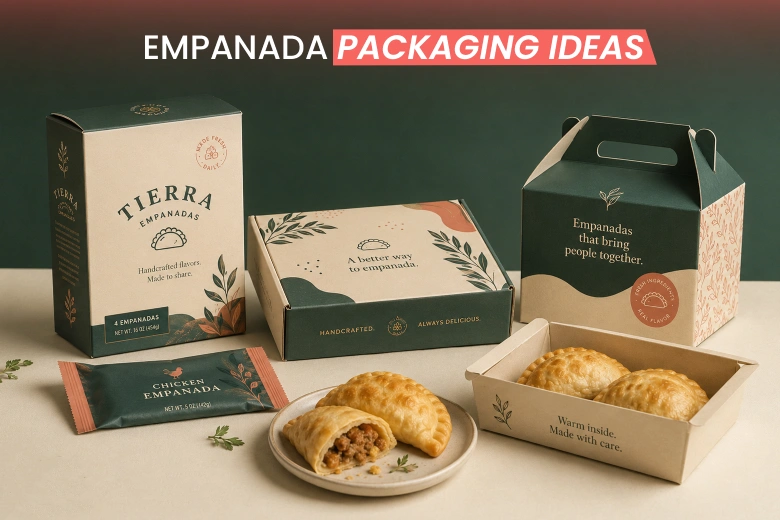
Empanadas, who doesn’t love them? These baked goods are the ultimate comfort food. They are
 Skip to content
 The “green” experiment phase is over. In 2026, sustainable packaging has turned from a marketing buzzword into a high-stakes operational requirement.
For eco-conscious brands, the pressure is coming from all sides: regulators are tightening the rules, consumers are more aware, and the supply chain is demanding smarter, leaner solutions.
Thus, if you want your brand to survive the cycle, you need more than just a “recyclable” logo. You need to know the sustainable packaging trends shaping the industry, along with the impacts and benefits. Let’s dive in.
Before going further on the trends, let’s first understand the real definition of sustainable packaging.
Sustainable packaging refers to materials and designs that minimize environmental impact throughout their entire lifecycle, from sourcing to disposal.
In the easiest words, this packaging is designed with its “next life” in mind from day one. This means the packaging material must be responsibly sourced and optimized for the lowest possible carbon footprint during transport. Most importantly, sustainable packaging is well aligned with existing recovery infrastructure. Yes, it actually gets recycled into other new products.
The packaging industry today is defined by “Substantiated Sustainability.” It’s no longer focused on what a package could do. More than that, businesses should pay attention to what packaging actually does once it leaves the customer’s hands.
Here are the top 6 sustainable packaging trends shaping the industry in 2026.
New, stricter regulations are the biggest sustainable packaging trend this year. Under Extended Producer Responsibility (EPR) laws in various states, brands now must pay for the lifecycle of their packaging.
The new operational reality has turned packaging from a procurement cost into a long-term financial liability. In other words, the rule is made to ensure brands design their product packaging for high recyclability. By being compliant, your business can avoid steep government fees.

This is the “Less is More” era of packaging. But lightweighting we are talking about here isn’t just about shaving off a few grams; it’s about AI-driven right-sizing.
In addition to the standard box sizes, brands today are using automated packaging systems. The main goal? To design their custom packaging boxes of exact size. These boxes are meant to eliminate the “shipping air” and the need for excessive void fill. The best part? By reducing material waste, your business can also lower shipping costs.

Gone are the days of complex, multi-layered packaging materials (which contribute to the packaging waste).
The trend now is mono-material simplification. More and more businesses have said goodbye to plastic packaging materials and have chosen paper-based alternatives, such as cardboard, kraft, or corrugated. These materials are approved to improve recyclability, reduce EPR fees, and simplify waste sorting.
In other words, by choosing 100% paper-based materials, brands ensure their packaging can move through recycling streams without needing expensive chemical separation.

Whether it’s a cosmetic box, apparel packaging, or electronic boxes, we have seen QR codes and NFC tags in every product packaging today. These “Smart” packages do more than track inventory. In the context of sustainability, they provide localized recycling instructions to consumers and verify the product’s carbon footprint in real time.

Fake “eco-friendly” claims no longer apply. Modern consumers now look for High Post-Consumer Recycled (PCR) Content percentages as a main trust signal.
This means that using 30% to 100% PCR plastic or paper is the new baseline for brands that want to prove they are part of the circular economy.
And don’t forget that we now have FSC certification. FSC-certified packaging means that the materials used are responsibly sourced, reducing harm to forests and ecosystems.

Molded fiber is having a massive moment. We are seeing fiber-based bottles and caps replacing plastic, even for liquid products. In addition, seaweed-based coatings and home-compostable films are moving from the lab to the mainstream for specialized food packaging applications.
Sustainable packaging is reusable. Businesses today are making the effort to ensure their product packaging is reusable. From paper bags that can be reused for wrapping gifts to kraft boxes for storage, reusable packaging is in demand.
We are witnessing a total market inversion. Sustainable packaging is becoming the most cost-effective way to do business in a resource-constrained world.
Let the numbers speak: the US sustainable packaging market is expected to grow from $51.23 billion in 2025 to $73.81 billion by 2034.
How is sustainable packaging trending and growing so fast? Well, a perfect storm of economics, law, and lifestyle changes has hit the packaging industry.
Here are the key drivers shaping the rise of sustainable packaging trends.
Speaking of saving the planet, Gen Z and Alpha consumers aren’t just “preferring” green brands. They do more actions by actively boycotting brands that still use excessive, non-recyclable plastic packaging.
From plastic bans to mandatory recycled-content laws, the government has made “old” packaging standards too expensive to continue using.
With online grocery and retail continuing to boom, the sheer volume of packaging waste also increases. This fact has forced brands to find more durable, less wasteful shipping solutions. As a result, cornstarch and mushroom packaging have become top alternatives to cardboard, reducing waste and keeping landfills cleaner.
As the cost of bio-based materials declines, the transition away from fossil-fuel plastics toward compostable, highly recyclable fiber is accelerating.
Sustainable packaging trends require eco-conscious brands to move beyond simple recycling.
Here’s how the trends impact many brands.
Adapting to sustainable packaging trends helps businesses reduce environmental impact by lowering carbon emissions and waste.
Beyond being “green,” using sustainable packaging improves brand reputation and customer loyalty.
Eventually, sustainable packaging offers long-term cost savings by optimizing materials, lowering shipping costs, and ensuring regulatory compliance.
In essence, adopting sustainable packaging trends gives businesses a competitive edge and helps them attract eco-conscious consumers.
Without a doubt, sustainable packaging has turned from a marketing buzzword into a high-stakes operational requirement. Sustainable packaging trends in 2026 include compliance & the new operational reality, extreme design efficiency, mono-materials, smart & connected packaging, recycled content, and reusability.
Adapting to sustainable packaging trends provides businesses with a competitive edge and helps them attract eco-conscious consumers.
So, has your business shifted to sustainable packaging?
Sustainable packaging refers to materials and designs that minimize environmental impact throughout their entire lifecycle, from sourcing to disposal.
Sustainable packaging trends in 2026 include compliance & the new operational reality, extreme design efficiency, mono-materials, smart & connected packaging, recycled content, and reusability.
The key drivers shaping the rise of sustainable packaging trends include changing consumer preferences, government regulations, e-commerce & online grocery shopping, and the shift toward recyclable materials.
Adapting to sustainable packaging trends provides businesses with a competitive edge and helps them attract eco-conscious consumers.

Empanadas, who doesn’t love them? These baked goods are the ultimate comfort food. They are
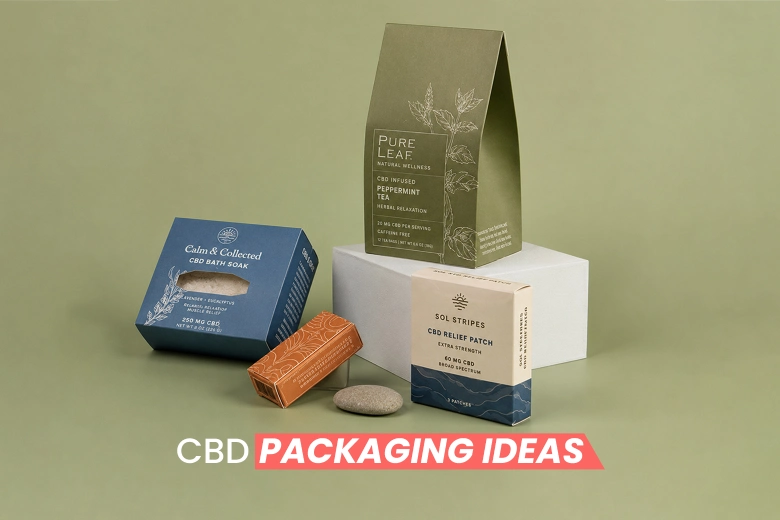
The CBD market is booming, but a crowded retail shelf makes it hard to stand
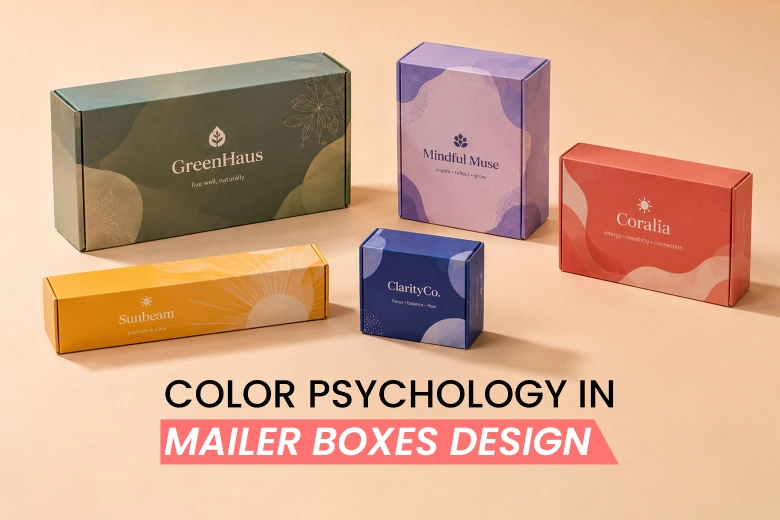
In the world of e-commerce, your product packaging influences customers’ perceptions. While structural integrity is